

Apple's iCloud and the Dilemma of the Walled Garden
"The Cloud" is truly the buzz-phrase du jour as the behemoth IT companies rush to offer remote storage "in the cloud" for everything from document files to home videos. You get the convenience of easy access to the stuff on a variety of devices in a variety of places. They get… so then, it's not certain what will they get, or how. Nevertheless somewhere down the line, the "what" will have to include profits - which is the one troubling aspect of this Then and there Big Thing in information research.
For all the hoopla, the cloud is a work in progress, with different companies offering variations in what they store, and how easy it is to access and share content. Cloud storage has been around for a during, in the form of online backup services like Carbonite and Dropbox. What's new - and what's changing the game - is the entry of major integrated IT/entertainment vendors including Microsoft, Google, Amazon, Facebook and now Apple.
All the new high-profile cloud storage services want to sell you something - or like as not many things. Google is selling storage capacity beyond a free taste; Amazon offers a lot of free space, provided you buy some music; Microsoft is selling business software and entertainment hardware to complement its storage.
The subject of Apple
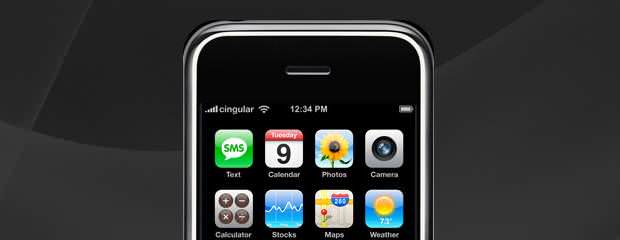
Which brings us to the subject of Apple and the concept of the "walled garden"-the innovation-driven barriers to moving off the platform. Apple wants you to play and work in its cloud using only hardware sold by Apple and PCs as long as they have Apple's iTunes on board to sell entertainment. Oh, and did we mention, that Apple will allow only apps approved by Apple?
It's tempting to give government a role in deciding what's kosher within the garden and what's not. We think the burden of proof should undoubtedly be on those who want to regulate them. However there are gray areas - for instance, when the garden owner attempts to foreclose options for competitors. Think of Apple not permitting apps on the iPhone that compete with Apple services, or a cable company barring access to specific VoIP (Voice over Internet Protocol) services on the Internet. The test, eventually, ought to be whether the consumer benefits of a walled garden exceed the consumer costs.
If, for instance, an Internet Service Provider keeps suspect web sites off the platform to enhance security or the general user experience, this may not be a bad thing. The same is true of applications on the iPhone. In such a case, competition from other phone providers should keep the company honest.
Should we stop worrying and learn to love but another neat technology from Apple? Yes, as long technological change and ferocious competition offer alternatives to Steve Jobs' at times-smothering embrace.
Robert Hahn is director of economics at Oxford's Smith School, professor of economics at Manchester, and a senior fellow at the Georgetown Center for Business and Public Policy. Hahn earlier served as the Director of the AEI-Brookings Joint Center.
- · Rackspace debuts OpenStack cloud servers
- · America's broadband adoption challenges
- · EPAM Systems Leverages the Cloud to Enhance Its Global Delivery Model With Nimbula Director
- · Telcom & Data intros emergency VOIP phones
- · Lorton Data Announces Partnership with Krengeltech Through A-Qua⢠Integration into DocuMailer