

AT&T Responds to DOJ
AT&T responded to the DOJ regarding the blocked T-Mobile USA acquisition saying that the proposed merger would be good for consumers as it would allow AT&T to gain access to T-Mobile spectrum allowing their call quality to improve and the number of dropped calls to be reduced. This in turn they argue would lead to lower prices. Ma Bell 2.0 continued to explain that the wireless business is fiercely competitive which has resulted in lower prices over time.
The way I see it
The way I see it, AT&T is really saying their growth will be severely limited if this merger doesn’t take place because the spectrum doesn’t exist for them to serve the growing needs of their clients. Nevertheless critics would likely respond that in a free market with vibrant competition, an independent T-Mobile would take advantage of the situation and advertise their network is superior and potentially even lower prices – in doing so luring clients from the oversubscribed AT&T network to T-Mobile’s.
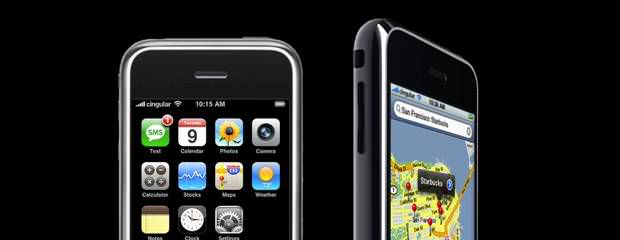
It is worth noting that the mobile market has to a certain degree been in an unusual state in the last five years in-part because of AT&T Mobility’s exclusivity on Apple products. The combination of the popularity of Apple’s iOS-based mobile devices coupled with the amount of mobile data users of these devices consumed has led to a challenge AT&T has not solved but.
Although AT&T hasn’t argued this point – it could be the one fact they need to explain as to why competition will be vibrant hereafter – even afterwards a merger between the number one and four players in the same market. Really it is Super WiFi or white spaces. You know – those frequencies which are unused nevertheless could potentially be the basis for a nationwide wireless network with tremendous range and capability.
Collocated ITEXPO event
Next Week at Super WiFi Summit in Austin a collocated ITEXPO event, the industry will get at the same time to discuss how this market is evolving and come up with ways to ensure it becomes a major wireless communications enabler.
The goal of this piece wasn’t to bring up these TMC events nevertheless the tie-in is just too important to ignore. As I see the world, Super WiFi could be to 4G what VoIP (Voice over Internet Protocol) was to the PSTN and since I am going to be part of a Death of the PSTN keynote panel this coming Tuesday there should be little doubt how that battle has ended up.
The challenges of Super WiFi are many however technology seems to find a way to enable new competitors to emerge where you least expect them. Google never knew that some college kid was going to invent social networking and challenge their dominance in online ads. Yahoo! didn’t realize that their enviable position of being the premiere online destination would in the end be successfully challenged by Google, Facebook and countless others. Nokia and RIM didn’t see the iPhone coming and Microsoft, Palm and HP did see the iPad coming and Microsoft was even first to the tablet market and for all that Apple is gaining desktop and mobile share from all three and Microsoft everything considered doesn’t have a new tablet OS on the market.
So my suggestions to AT&T’s lawyers would be stop explaining how a merger will create jobs because there seem to be no examples of a merger yielding more jobs – ever. Instead focus on new research because even though I would rate the real threat of Super WiFi to 4G today as very small, there was a time when the WiFi market didn’t exist at all and we saw how quickly it proliferated once the prices for hardware started to decline rapidly.
- · Rackspace debuts OpenStack cloud servers
- · America's broadband adoption challenges
- · EPAM Systems Leverages the Cloud to Enhance Its Global Delivery Model With Nimbula Director
- · Telcom & Data intros emergency VOIP phones
- · Lorton Data Announces Partnership with Krengeltech Through A-Qua⢠Integration into DocuMailer