

Growing infrastructure means customers bombarded wtih options
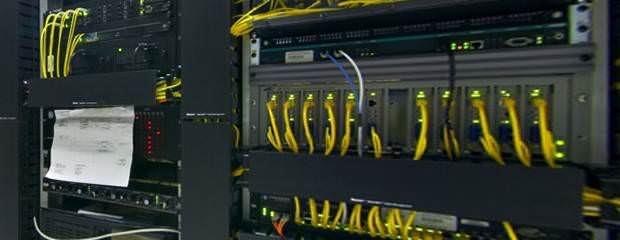
Huge investments in digital infrastructure by communications and entertainment providers are enabling new products and services that will change the way consumers access information at home or through wireless devices.
The rollout of fourth generation wireless research in Knoxville, combined with high-speed Internet upgrades based on fiber optics, increases competition in the market and dramatically expands the choices of digital products and services for local consumers.
Entertainment is one of the major factors driving the move to higher performance broadband networks, according to J.R. Charles, co-owner of Taking IT Home, a Knoxville-based startup dedicated to helping consumers make use of all the low-cost bandwidth becoming available.
AT&T is one of the leaders in delivering high-speed connections for wired and wireless clients. From 2008 to 2010, AT&T's capital investment in its Tennessee wire line and wireless networks was near $1.2 billion, said Cathy Lewandowski, senior public relations manager at AT&T.
AT&T's U-verse high-speed Internet, voice and TV service offers home digital video recording from any TV in the home at no extra cost to entertainment subscribers.
Comcast, one of the nation's largest cable entertainment companies, recently introduced to the Knoxville market the Xfinity brand of products - including on-demand high-definition movies, and caller-ID - that lets your TV, phone and Internet work at the same time.
Russell E. Byrd, left senior director of government and public affairs for Comcast, watches as Bobby Smith installs Xfinity service in the Byrd home. Knoxville-area consumers are being inundated by innovation as wireless providers roll out the latest innovations.
Xfinity as well offers access to services that enable users to control home security and other functions just as setting the thermostat remotely from handheld devices like iPhones and iPads.
Comcast is facing severe competition from both telecom and satellite service providers that started offering subscription TV services at a lower price, according to a June report from Zacks Investment Innovation. Verizon Wireless with its FiOS network and AT&T with its U-verse network are likely to make the market highly competitive, the report said.
The competition between traditional communications companies just as AT&T and large cable companies just as Comcast drives performance while together creating customer value through lower cost, Byrd said.
One of the most common examples of how consumers are taking advantage of the growing digital infrastructure is more users get their phone, TV and Internet service from a single service provider.
The emergence of the desktop computer
The emergence of the desktop computer and the Internet created a new channel for convergence of computing, communications and entertainment.
AT&T has gone beyond cable with Internet protocol TV. IPTV is not cable, and it's not the Internet, according to AT&T's Lewandowski.
"Think of Internet Protocol as a "language" that devices use to communicate to each other over a network," she said. "When all of your devices and services - now including your TV - speak the same language, they are able to easily work at the same time in new ways."
Increasingly the focus of convergence is on handheld devices just as iPads, iPhones, Blackberries and Droids that take advantage of the high speed digital wireless infrastructure to perform tasks that before required the bandwidth only available to wired users.
Recent bandwidth enhancements by digital wireless services providers point the way to a future where most of the business and entertainment applications and content now available on your home computer or television can be accessed from your handheld device.
AT&T's high-speed digital network has enabled the convergence of wireless Internet access with cellular voice and data. AT&T mobile clients can now talk and surf the web together using handheld devices, Lewandowski said.
Several of the leading wireless service providers have introduced 4G or fourth-generation wireless networks in Knoxville recently. In June, Verizon launched 4GLT service, which is 10-times faster than the 3G network.
The 5- to 12-megabit download speed of 4G gives many mobile users more bandwidth than they can get from their home Internet connection, Witherspoon said.
Last week, T-Mobile launched its 4G network in Knoxville and surrounding areas. The company said that the new upgrade theoretically doubles the peak download speed.
In Knoxville T-Mobile has added and upgraded dozens of telecom towers to support the increased traffic on the 4G network, said Mike Sousa, vice president and general manager of T-Mobile USA in the Tennessee/Georgia region.
The Southeast
The Southeast was one of the first markets in which T-Mobile decided to implement 4G service, Sousa said. Business users accustomed to high speed access at the office benefit from the access to broadband wireless.
The "in-office" experience will be enhanced by the use of "cloud computing," which allows wired and wireless clients users to run applications stored on remote network servers, said Charles of Taking IT Home.
"You'll be able to make business presentations, downloading video and data on your handheld device, at restaurants or any place with hot spots," he said
email nabors@knoxnews.com or call 865-342-6454. Other advertising options include Inserts, Commercial Real Estate Guide, and Business Anniversaries. Click here for 2011 rate card.
- ·
Verizon+wireless+new+droids+phones
- ·
Nabors@knoxnews.com
- · Rackspace debuts OpenStack cloud servers
- · America's broadband adoption challenges
- · EPAM Systems Leverages the Cloud to Enhance Its Global Delivery Model With Nimbula Director
- · Telcom & Data intros emergency VOIP phones
- · Lorton Data Announces Partnership with Krengeltech Through A-Qua⢠Integration into DocuMailer