

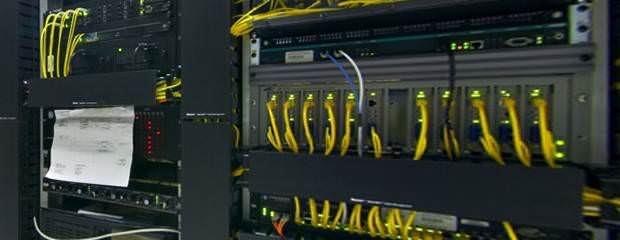
How Telus runs three wireless networks
That includes overseeing three wireless networks: A new HSPA+ network launched last November, plus the telco’s existing PCS and ISDN MiKE networks. By comparison, BCE Inc.’s Bell Canada has two networks and Rogers Communications Inc. has one. Spadotto shrugs it off, explaining Telus has a “maniacal” focus on costs.
The HSPA+ network
When it came to the HSPA+ network, Telus didn’t trim corners, he says. Realizing that backhaul capacity is vital to keep up with future demand, the company put 100 Gigabit Ethernet from the core to base stations.
Spadotto’s been in telecommunications since 1984, when he graduated from the University of Windsor after earning a bachelor of applied science and electrical engineering degree and joined Bell Mobility.
There he rose to senior management positions in engineering and marketing before joining Toronto-based wireless competitor Clearnet Communications Inc. in 1995 as chief technology officer and chief information officer.
“We’re really entering a phase [in telecommunications] of what I call the hyper-connected model,” Spadotto said, “where everything will be connected to the [cellular data] network” he said. All that’s preventing it from happening is the cost of chipsets.
“To me as an engineer that is the most farcical thing I’ve ever heard,” he says, “because we’ve managed network flow since the beginning of time. It doesn’t matter what the network is —whether it’s a telecom network or municipal water supply.” So policy management means VoiP should have more priority than BitTorrent.
- · Rackspace debuts OpenStack cloud servers
- · America's broadband adoption challenges
- · EPAM Systems Leverages the Cloud to Enhance Its Global Delivery Model With Nimbula Director
- · Telcom & Data intros emergency VOIP phones
- · Lorton Data Announces Partnership with Krengeltech Through A-Qua⢠Integration into DocuMailer