

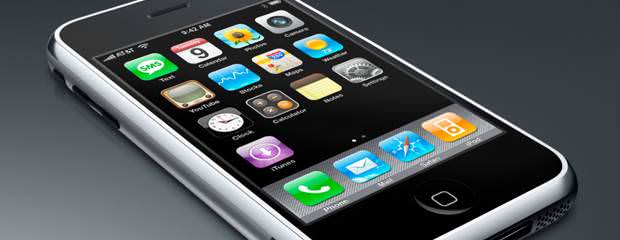
iPod touch (fourth generation, late 2010)
The combination of the microphone and speaker means that the iPod touch becomes a better device for Skype/VoIP calls. In the past you could use VoIP apps with the iPod touch (Wi-Fi only, of course), but, because those iPods had no built-in mic, you had to use a headset that included both headphones and a microphone. With the new iPod touch you can make such calls without a headset. Even though the mic is on the back of the iPod, it's sensitive enough to pick up your voice. And the speaker is audible enough to carry on a conversation.
The Sleep/Wake button has moved to the top-right edge
The Sleep/Wake button has moved to the top-right edge, and the volume buttons are now two discreet buttons rather than a rocker switch. Although you can control the iPod's volume, music, and video navigation with headphones that include volume and play controls, you won't find those headphones in the iPod's box. Apple provides just the bare-bones earbuds that lack any play controls. We regret this omission as it's nice to have the option to remotely control an iPod tucked deep in a pocket. If you want that option from Apple, you'll have to pay $29 for the Apple Earphones with Remote and Mic.
Like the iPhone 4, the 4G iPod touch has a 960 by 640 retina display. The display--at least on the iPod touch I tested--has a slightly yellower cast than the previous iPod touch. (That cast is completely unnoticeable unless you put the two devices side by side.) Just as with the iPhone 4, you see no pixels when looking at text on the 4G iPod touch's screen--images are very, very clean and you can make the display very bright.
Inside, the 4G iPod touch has Apple's A4 processor--the same kind of chip found in the iPhone 4 and iPad. I compared the performance of a new 32GB iPod touch with that of a 32GB third-generation model and, quite honestly, I noticed very little performance difference. The 4G iPod touch booted two seconds more quickly (26 seconds versus 28 seconds), but apps launched equally as fast on the two iPods and the two performed nearly identically in a variety of applications. The 4G iPod touch was, however, noticeably more responsive than my first- and second-generation iPod touches.
As with previous iPod touches this one has no GPS hardware--it uses Wi-Fi location data only to determine its coordinates. (And yes, by default, that location information is embedded in pictures snapped with the iPod touch's cameras.) Like the iPhone 4, however, it does have a gyroscope. That gyroscope makes for a richer gaming experience with apps that take advantage of the gyroscope's ability to sense roll, yaw, and pitch.
- · Rackspace debuts OpenStack cloud servers
- · America's broadband adoption challenges
- · EPAM Systems Leverages the Cloud to Enhance Its Global Delivery Model With Nimbula Director
- · Telcom & Data intros emergency VOIP phones
- · Lorton Data Announces Partnership with Krengeltech Through A-Qua⢠Integration into DocuMailer