

Microsoft Bears Underestimate the 'Enterprise Moat'
Microsoft reported a solid fiscal second quarter on Thursday with revenue and revenues that were usually above consensus estimates. But, concerns over relatively tepid growth in the Windows segment overshadowed positive results elsewhere in the eyes of market participants leading to a near 4 percent drop in the stock price Friday.
The quarter
Since there are numerous articles already published detailing Microsoft’s results for the quarter, we will focus the majority of our attention toward an examination of some of the business issues that are most often cited by those who are bearish on the company’s outlook. For more background on the investment thesis for Microsoft, please read our article from August 2010.
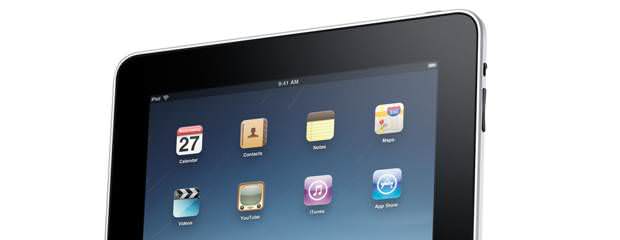
The general market sentiment toward Microsoft appears to be based on fears that the company’s longstanding moat in Windows will be rapidly eroded by the entry of new tablet devices led by Apple’s iPad. This concern has largely overshadowed positive developments that have emerged in recent quarters including significantly higher overall operating margins, shipment of over 8 million Kinect units in the final sixty days of last year, strong performance in the Business Division led by Office 2010, and continued positive results in Server & Tools led by products just as the SQL Server database. Should the contingency arise, the company repurchased $5 billion in stock and recently increased the regular dividend.
The tepid growth in the Windows segment reflects an overall slowdown in PC unit shipments with a more pronounced slowdown in PC sales to consumers. According to the company, business PC shipments grew more quickly than consumer shipments as companies continued to combine hardware refreshes with adoption of Windows 7. In absolute terms, PC shipments of 90 million globally was after all a record high, however lower end netbooks are in decline. Netbooks sold to consumers are in direct competition with tablets just as the iPad and often serve as secondary devices to boot to a main PC.
According to Microsoft’s conference call presentation, 300 million Windows 7 licenses have been sold over the past year and 90 percent of enterprise clients have started their formal migration to Windows 7. At this stage, Microsoft reports than over 20 percent of PCs are running Windows 7 which clearly means that the refresh cycle for Windows 7 is not over and enterprise clients intend to move forward with migration in the coming months.
The continued prevalence of Windows in the enterprise
We can validate the continued prevalence of Windows in the enterprise by observing the fact that Microsoft’s Server & Tools and Business Divisions continue to turn in very strong results. The Business division in particular is worth examining because it is as a matter of fact Microsoft’s largest segment both in terms of earnings and operating income. Office 2010 appears to be a major hit both in the consumer and business markets and this trend should accelerate as companies adopt Windows 7 and combine the operating system migration with an upgrade to the new office suite.
It is obvious that Microsoft enjoys a powerful moat in both the consumer and business markets, now there is no denying the fact that the moat is in accordance with major attack in the lower end netbook market and this will impact results if the trend persists and Microsoft fails to adapt to the tablet form factor. Nevertheless, Microsoft’s moat in the enterprise does not appear to be at near as much risk. During Apple is making great headway in enterprise adoption of the iPad, there is limited evidence to suggest that the device is a substitute for PCs within the enterprise or that Microsoft’s powerful moat in Server & Tools or Office is at imminent risk.
The enterprise is so strong
To understand why Microsoft’s moat in the enterprise is so strong, one needs to examine the nature of software in business environments. An enthralled consumer can set aside his PC and head for the Apple store to wait in line when the new iPad comes out this spring, however for grizzled and skeptical IT managers, the situation is more complex and perilous.
In many organizations, Microsoft has long supplied the operating system and business software used to run critical systems and is deeply embedded in the corporate DNA. Much media attention today focuses on threats from cloud computing and the opportunities for Google or Salesforce.com to take share from Microsoft, nevertheless analysts typically ignore the depth and volume of customized software in other words built into the Microsoft ecosystem.
Life of its own over many years
Business software takes on a life of its own over many years and becomes embedded into critical processes. Microsoft products have long allowed for customization through extensible architectures that permit programmers to leverage the operating system, productivity applications just as Word and Excel, business applications just as Microsoft CRM, and server tools just as SQL Server to facilitate unequalled processes. In many organizations, two decades of custom code may exist within the Microsoft ecosystem.
When faced with the decision of whether to move to the cloud, which often provides very legitimate benefits to organizations, companies will by nature first look at their current investment in software and attempt to determine whether any of it can be leveraged. Since Microsoft has not ceded the cloud to competitors without a fight, a decision facing information innovation executives becomes whether to leverage some of their existing investment by utilizing Microsoft’s cloud solutions or scrapping the existing code and starting from scratch in every way.
No moat is immune from attack by superior products offering significant advantages to those who make a switch. If Microsoft’s competitors offer businesses compelling choices that provide either cost advantages or customer service benefits, in the long run market share will be lost as companies determine that the costs of staying with legacy software outweigh the massive costs of making a switch. But, contrary to popular belief, Microsoft is not simply sitting after all and passively waiting for competitors to take market share.
Disclosure: I am long MSFT. From 1995 to 2009, I was involved in building business applications primarily within the Microsoft ecosystem.
- · Rackspace debuts OpenStack cloud servers
- · America's broadband adoption challenges
- · EPAM Systems Leverages the Cloud to Enhance Its Global Delivery Model With Nimbula Director
- · Telcom & Data intros emergency VOIP phones
- · Lorton Data Announces Partnership with Krengeltech Through A-Qua⢠Integration into DocuMailer