

Time To Let Workers Bring Their Own Mobile Phones
Young workers and their strong affinity for go-anywhere research are changing the shape of the enterprise as they force businesses to adapt to the speed at which they work. The youngest members of the workforce as so then as college-age users make up a "Millennial" generation that communicates at a relentless pace, moving effortlessly from one computing device to another. For them, the "best" computing device is the one that's most convenient, and the most 'useful' stream of data is the one that's accessible without warning.
When asked, but, Millennials strongly prefer a smartphone to a laptop. A recent Accenture survey found that 51 percent of 18- to 24-year-olds would prefer to use a mobile handset; only 22 percent prefer a PC. Among those 45 and older, only 27 percent prefer a mobile device.
Unlike baby boomers, who are simply happy if innovation works, Millennials grew up taking the Internet and mobile phones as much for granted as they take electricity and running water. These high expectations extend to the immediacy and availability of information. Workers will expect access to their critical business applications and data whenever and wherever they need them. And they will expect no sacrifice in usability, no matter the form factor.
Senior executive at one U.S.
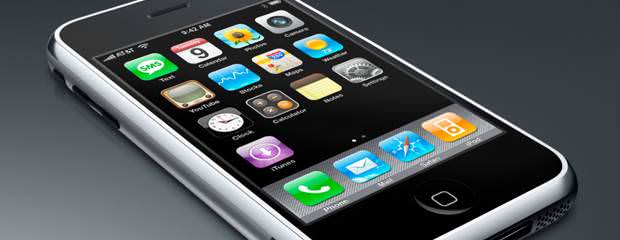
As a senior executive at one U.S.-based manufacturing firm puts it, "We need to attract the right kind of talent. No one wants to go to work for a company if they're handed an old, gray x86 desktop. We need to be more flexible, as we're seeing people coming out of college who want iPhone devices, laptops, etc."
One easy way to make this transition is to embrace the idea of letting employees choose their own hardware. IT once prized homogeneous hardware because it made desktop PCs and their applications easier to manage. Nevertheless the rise of cloud computing and desktop virtualization means more applications run on a server. Combine that with more sophisticated endpoint management solutions, which ease the burden of supporting a diverse computing ecosystem, and the need for identical gray desktop boxes goes away.
Companies just as Kraft Foods, with its 97,000 employees, have already taken this course. Organizations innovating in this area understand that bring-your-own- device policies can empower employees to be more creative, efficient and productive. Gadget lust is no longer confined to the geeky. Workers, especially younger ones, identify closely with innovation brands. The possibility to use their preferred technology during at work boosts morale and offers familiarity that can increase productivity.
A bring-your-own approach can as well save on capital expenditures. You don't even necessarily have to roll out a four-figure reimbursement to achieve parity - especially with today's device-hungry workforce. An interest-free loan for new computers is a simple way to start. Some organizations offer to pay the carrier bill for a smartphone. At up to $1,000 a year, this can be an even better deal for the employee than a new laptop every three years.
Contributor page dedicated to IT trends
CIO Central is a contributor page dedicated to IT trends and issues that impact business strategy. Areas of coverage include software, hardware, computing and outsourcing.
- ·
Kraft Foods Bring Your Own
- ·
Accenture Outsourcing
- ·
Mobile Phones
- ·
What Percentage Of Baby Boomers Own Mobile Phones
- ·
Time To Let Workers Bring Their Own Mobile Phones
- · Rackspace debuts OpenStack cloud servers
- · America's broadband adoption challenges
- · EPAM Systems Leverages the Cloud to Enhance Its Global Delivery Model With Nimbula Director
- · Telcom & Data intros emergency VOIP phones
- · Lorton Data Announces Partnership with Krengeltech Through A-Qua⢠Integration into DocuMailer